Introduction: The Imperative of Security and Compliance
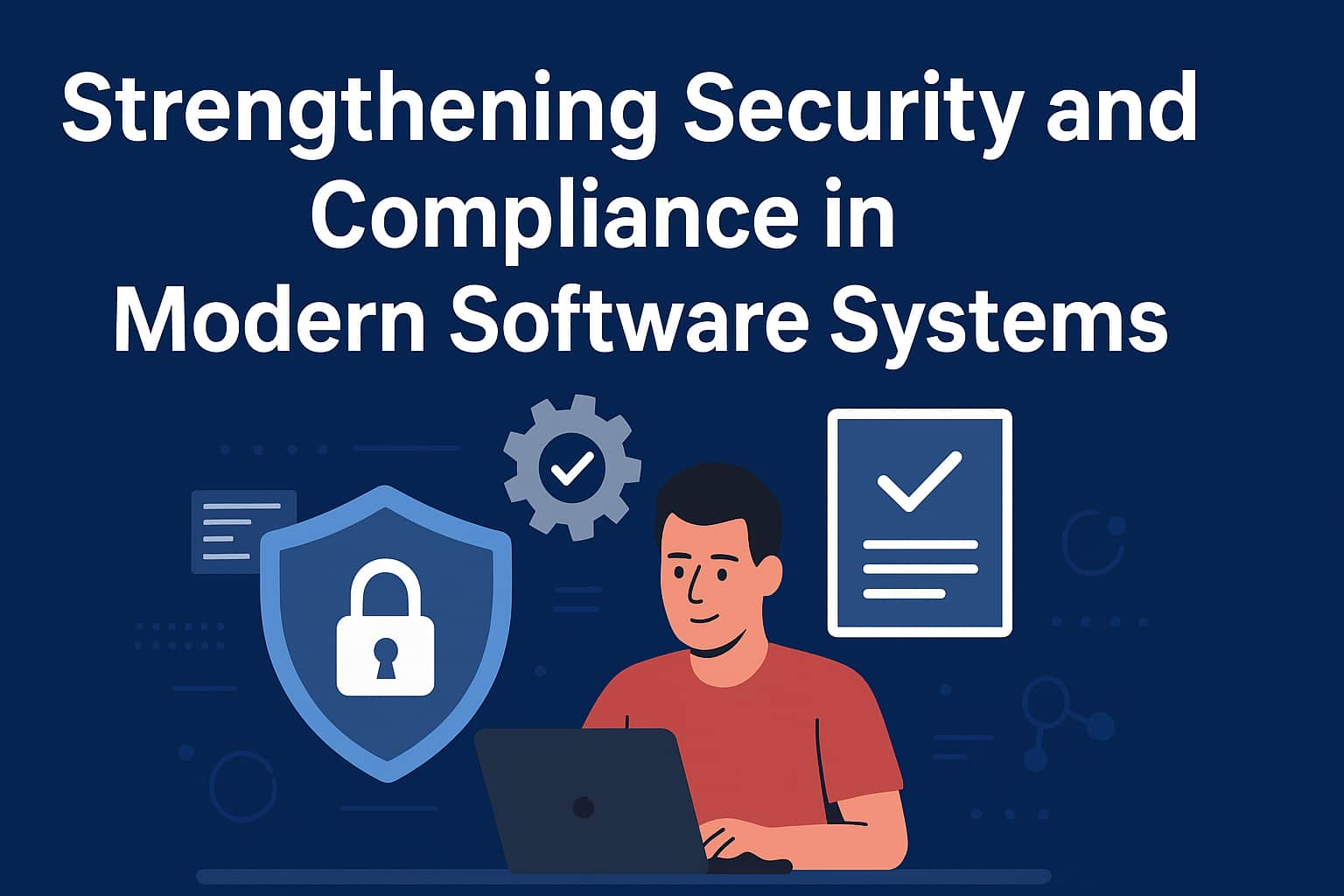
In the digital era, security and compliance have become foundational pillars of responsible software development and IT management. With growing data volumes and increased interconnectivity, businesses face unprecedented risks related to data breaches, unauthorized access, and regulatory violations. Security and compliance are no longer isolated functions handled at the end of a project—they are continuous processes that must be embedded throughout every layer of a system’s architecture.
Organizations that treat these areas as strategic priorities not only protect their assets but also build trust with customers, partners, and regulatory bodies. A single security lapse can lead to massive financial and reputational damage, while strong compliance practices can be a significant competitive advantage.
The famous inventor Thomas Edison once said, “The value of an idea lies in the using of it.” This statement resonates deeply in the field of cybersecurity—brilliant security strategies hold no value if they are not effectively implemented and maintained in real-world operations.
Understanding Security and Compliance: The Core Relationship
Security and compliance are often mentioned together, but they serve distinct purposes that complement each other. Security focuses on protecting systems, data, and users from threats, both external and internal. It involves technical measures such as encryption, firewalls, and intrusion detection, as well as organizational practices like access control and employee training.
Compliance, on the other hand, refers to adhering to laws, standards, and regulations that govern data handling and system integrity. Examples include the General Data Protection Regulation (GDPR), the Health Insurance Portability and Accountability Act (HIPAA), and the Payment Card Industry Data Security Standard (PCI DSS).
Compliance provides the framework that defines acceptable security practices, while security ensures that those rules are effectively enforced. When combined, they form a robust defense against both cyber threats and legal liabilities.
Organizations that align their security and compliance goals achieve operational synergy—where the measures that safeguard systems also fulfill legal obligations. This integration minimizes redundant efforts, reduces risk exposure, and supports sustainable business continuity.
Building a Robust Security Framework
A strong security posture begins with a clear, layered framework. It involves multiple interdependent processes designed to protect assets, detect anomalies, and respond to incidents.
1. Risk Assessment and Management
Effective security starts with understanding risks. Conducting a thorough risk assessment helps identify potential vulnerabilities, evaluate their impact, and determine mitigation strategies. This step must be continuous, as threats evolve alongside technology. Organizations often use frameworks like ISO/IEC 27001 or NIST SP 800-53 to guide their assessments and develop comprehensive security controls.
2. Access Control and Authentication
Controlling who can access what data is central to protecting digital assets. Implementing role-based access control (RBAC) ensures that users have only the privileges necessary for their tasks. Multi-factor authentication (MFA) adds another layer of defense by requiring multiple forms of verification.
3. Encryption and Data Protection
Encryption safeguards data both in transit and at rest, making it unreadable to unauthorized entities. Secure protocols such as TLS for communication and AES for data storage are industry standards. Data loss prevention (DLP) tools can monitor and restrict sensitive data transfers.
4. Security Awareness and Training
Employees are often the weakest link in security. Regular training programs ensure staff understand their roles in protecting data and recognizing potential threats like phishing or social engineering attacks. Security awareness is not a one-time event—it must evolve as threats change.
5. Incident Response Planning
No system is completely immune to attacks. A well-defined incident response plan ensures that organizations can react quickly and minimize damage. The plan should outline roles, escalation paths, communication channels, and post-incident evaluation steps.
Building these layers requires consistent monitoring, testing, and updating to adapt to changing threats. The organizations that thrive in today’s environment are those that treat security as an ongoing, evolving discipline rather than a static checklist.
Compliance Management: From Obligation to Opportunity
Compliance is often viewed as a burden—a list of regulatory boxes to tick. However, when managed effectively, compliance can become an enabler of trust, efficiency, and global market access.
1. Mapping Regulatory Requirements
Different industries face varying compliance obligations. For example, financial institutions must comply with PCI DSS, while healthcare organizations must adhere to HIPAA. Mapping these requirements against internal policies helps organizations understand where they stand and what gaps need closing.
2. Automating Compliance Processes
Manual compliance tracking is time-consuming and error-prone. Automation tools can streamline auditing, reporting, and monitoring tasks. Solutions like Governance, Risk, and Compliance (GRC) platforms provide centralized control over regulatory adherence and risk management, reducing human error and improving transparency.
3. Documentation and Reporting
Proper documentation demonstrates accountability and readiness during audits. Maintaining detailed records of policies, access logs, and incident responses not only satisfies regulators but also strengthens internal governance.
4. Third-Party Compliance
Vendors and service providers play a critical role in maintaining compliance. Organizations must ensure that third parties follow the same standards, especially when outsourcing services or storing data externally. Regular assessments, audits, and contractual clauses help mitigate third-party risks.
By transforming compliance into a continuous process rather than a periodic event, companies can build stronger reputations and develop more resilient operations.
Integrating Security and Compliance in the Development Lifecycle
Incorporating security and compliance early in the software development lifecycle (SDLC)—often referred to as “security by design”—is key to minimizing vulnerabilities and ensuring long-term stability.
1. Secure Coding Practices
Developers must adhere to secure coding standards such as OWASP guidelines. This reduces the risk of introducing vulnerabilities during development. Automated code scanning tools can detect common issues like SQL injection, cross-site scripting, and insecure configurations.
2. DevSecOps Integration
DevSecOps merges security with DevOps practices, ensuring that security checks are automated and embedded into continuous integration and continuous deployment (CI/CD) pipelines. This approach allows teams to identify and address issues earlier in the process, reducing remediation costs and deployment delays.
3. Compliance-Aware Development
Integrating compliance requirements into development workflows ensures that new software automatically aligns with legal and regulatory standards. For example, GDPR-compliant applications might include consent management features or anonymization tools by default.
4. Continuous Monitoring and Auditing
Post-deployment monitoring tools can track security events and compliance metrics in real time. This helps teams detect unauthorized activity, manage incidents proactively, and maintain regulatory readiness.
Integrating these practices not only strengthens system integrity but also encourages a culture of accountability and shared responsibility among developers, IT staff, and business leaders.
Challenges and Best Practices
Implementing effective security and compliance measures is not without challenges. Organizations often face issues like limited budgets, lack of expertise, or resistance to change. However, adopting best practices can make these efforts more sustainable and impactful.
Key Challenges:
- Complex regulatory environments across jurisdictions
- Rapidly evolving cyber threats that outpace legacy defenses
- Human error in managing sensitive information
- Integration difficulties between existing tools and modern frameworks
Best Practices:
- Adopt a risk-based approach: Prioritize efforts based on the potential impact and likelihood of threats.
- Leverage automation: Use AI and analytics to streamline compliance tracking and anomaly detection.
- Promote a security-first culture: Encourage every employee to see themselves as part of the defense strategy.
- Regularly test and audit systems: Penetration testing, vulnerability scans, and compliance audits keep defenses current.
- Document everything: Comprehensive documentation ensures traceability and simplifies audits.
Ultimately, successful security and compliance programs are driven by leadership commitment, cross-department collaboration, and continuous improvement.
Conclusion: Trust Through Vigilance
Security and compliance are not mere technical functions—they are cornerstones of trust in the digital age. A secure and compliant organization demonstrates respect for user privacy, legal integrity, and operational excellence. By building robust frameworks, integrating them into development processes, and maintaining a culture of vigilance, businesses can protect their assets and reputation while enabling innovation with confidence.
The balance between security and compliance is delicate but achievable. When properly aligned, these forces work together to ensure not only the safety of systems but also the sustainability and credibility of the organizations that rely on them.