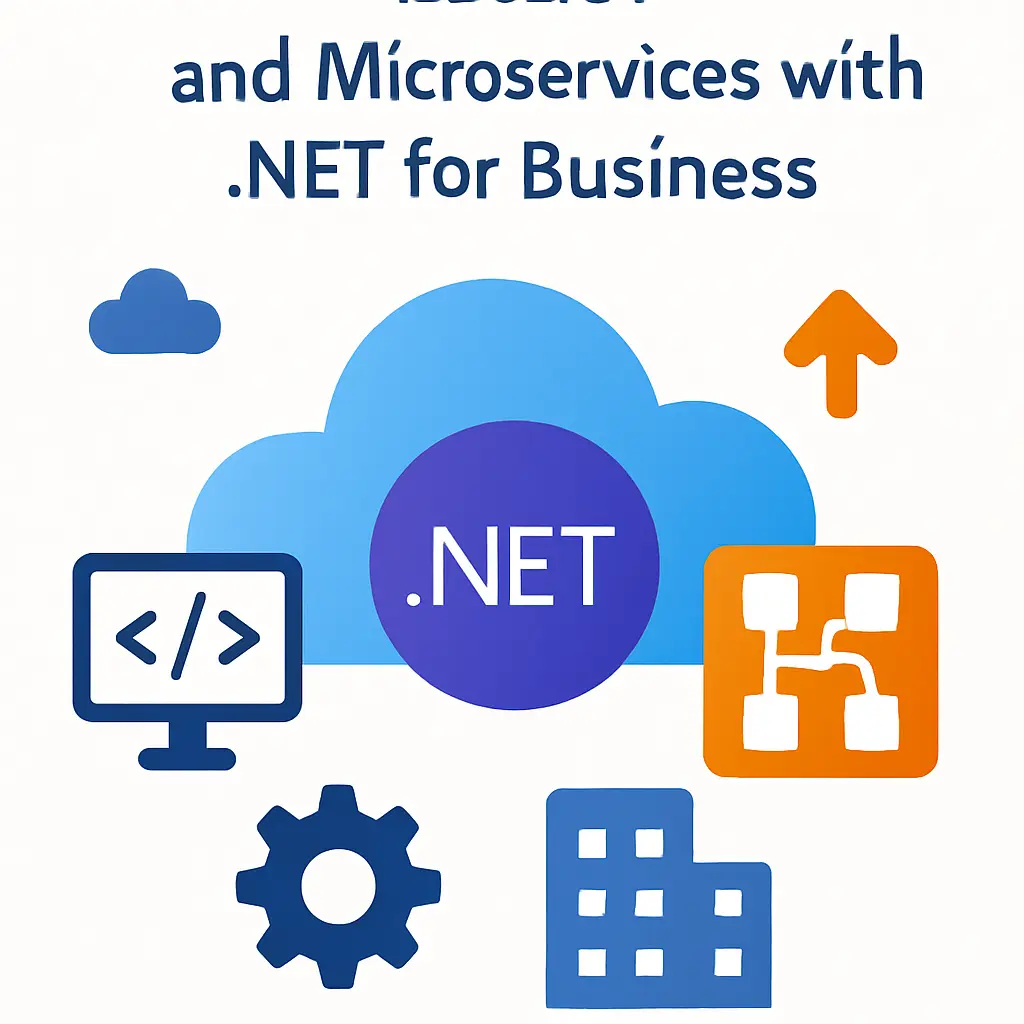
Embracing Cloud Development and Microservices with .NET: Navigating Modern Business Requirements
In today’s rapidly evolving digital landscape, modern businesses are increasingly leveraging the power of cloud computing and microservices to enhance scalability, ensure security, and accelerate time-to-market. Harnessing expert .NET development resources can be a game changer, whether you are starting a cloud migration journey or looking to transform your monolithic applications. This article explores the advantages, challenges, and optimal strategies for adopting .NET-based cloud solutions and microservices.
Unleashing the Power of .NET Cloud Development for Modern Enterprises
The shift to the cloud is more than a technological trend; it’s a strategic imperative for organizations seeking flexibility and innovation. Cloud computing with .NET enables enterprises to move beyond the constraints of physical infrastructure, offering unparalleled agility and cost-efficiency.
Why Choose .NET for Cloud-Based Solutions?
.NET has solidified its reputation as a robust, battle-tested framework suitable for cloud application development. Here’s why enterprises prefer .NET for their cloud transformation:
- Seamless Integration: .NET supports a broad range of cloud services and APIs, making it an ideal foundation for integrating diverse business systems.
- Scalability: Thanks to its architecture, .NET enables horizontal scaling to accommodate traffic spikes and business growth, crucial for SaaS and high-availability applications.
- Security: Built-in security features such as authentication, authorization, and encrypted communication make .NET a safe choice for handling sensitive business data in the cloud.
- Cross-Platform Support: The evolution to .NET Core has extended compatibility across Windows, Linux, and macOS, further expanding deployment options and reducing dependency on specific platforms.
Yet, realizing the full potential of .NET cloud solutions demands a skilled development team with expertise in cloud architectures, scalability patterns, and DevOps automation. That’s why many organizations opt to hire cloud developers proficient in .NET to maximize return on investment and ensure smooth project delivery.
Key Considerations in Cloud Migration and Custom .NET Cloud App Development
Embarking on a successful cloud journey with .NET requires careful planning and due diligence:
- Assessment of Current State: Businesses must thoroughly evaluate legacy systems, app dependencies, and regulatory requirements before migration.
- Cloud Strategy Selection: Choosing between public, private, or hybrid cloud models depends on workload sensitivity, compliance needs, and scalability objectives.
- Application Modernization: Monolithic legacy apps often need redesign, modularization, or even a full transformation for optimized cloud performance and maintainability.
- Automated Deployment: Embracing CI/CD pipelines and infrastructure as code ensures rapid, reliable deployments and minimizes human error.
Properly executed, .NET cloud adoption unlocks a toolkit of native and third-party libraries, containerization support, and automatic scaling, creating resilient, high-performing, and cost-effective solutions for modern enterprises.
Moving from Monolithic to Microservices: The Strategic Value of Modern Architecture
While cloud migration offers a solid foundation, true digital transformation is realized when applications themselves are architected for agility. Here’s where the microservices paradigm—particularly when implemented with .NET—proves indispensable.
Microservices break down complex applications into smaller, loosely coupled services that can be developed, deployed, and scaled independently. This approach brings transformative benefits to businesses aiming for continuous innovation:
- Rapid Deployment: Independent services allow teams to release features or hotfixes faster, shortening feedback cycles and mitigating risk.
- Enhanced Scalability: Businesses can scale critical components dynamically, optimizing infrastructure spend and user experience during peak loads.
- Technology Diversity: Microservices enable combining .NET with other languages or technologies, fostering innovation and best-fit solutions for each business capability.
- Fault Isolation: Failures in one service don’t crash the entire system, improving uptime and customer satisfaction.
.NET excels as a foundation for microservices owing to its support for asynchronous development, comprehensive tooling, and frameworks like ASP.NET Core, which facilitate the creation and management of distributed services.
The Microservices Journey: Practical Steps for .NET Teams
Transitioning to a microservices architecture is a multi-step process that requires both technical acumen and organizational change:
- Domain-Driven Design (DDD): Microservices should align with business capabilities. Applying DDD principles helps teams decompose monoliths into meaningful, cohesive services.
- API First: Clear, versioned APIs are crucial for communication between microservices and external consumers, fostering product quality and interoperability.
- Containerization: Technologies such as Docker, Kubernetes, and Azure Container Instances enable rapid deployment, scaling, and orchestration of microservices across environments.
- Service Discovery and Resilience: Leveraging tools for dynamic service registration, health checks, circuit breakers, and retries enhances stability and uptime.
- Continuous Delivery and Monitoring: Automated pipelines, robust testing, and proactive monitoring (e.g., with Prometheus or Azure Monitor) are essential for sustained reliability and iterative development.
Given the complexities and shifting need for specialized skills, choosing a microservices development company becomes vital for organizations determined to transform at speed, scale, and security.
Establishing End-to-End Synergy: Cloud, Microservices, and Business Value
Combining cloud computing with microservices in a .NET ecosystem establishes a resilient platform for ongoing innovation. The interplay between these concepts is fundamental for organizations serious about digital transformation:
- Elastic Infrastructure: Cloud-native microservices auto-scale based on demand—ensuring performance meets customer expectations and expenditures remain under control.
- Business Agility: New services can be built and deployed independently, allowing enterprises to seize new opportunities and integrate cutting-edge technologies (AI, IoT, data analytics) with minimal disruption.
- Robust Security and Compliance: .NET’s security model, when combined with cloud IAM and microservice isolation, simplifies compliance with strict regulatory environments.
- Cost Optimization: Pay-as-you-go resource models mean you never overcommit—budgeting becomes dynamic, and ROI improves as scale and velocity grow.
The synergistic value is clear: not only does this combination support current operational needs, but it also turns IT into a catalyst for strategic differentiation and sustained business success.
Best Practices for Maximizing the Benefits of .NET Cloud and Microservices
To fully realize the potential of cloud-based microservices with .NET, organizations should follow these proven guidelines:
- Invest in Skills Development: Provide ongoing training for developers, DevOps engineers, and architects to stay current with .NET releases and cloud-native best practices.
- Implement Governance: Establish policies around source control, service contracts, deployment pipelines, and cost management to maintain order as systems grow.
- Prioritize Observability: Monitoring, logging, and tracing are central to debugging, performance tuning, and proactive issue resolution in distributed environments.
- Adopt Incremental Modernization: Instead of a “big bang” approach, migrate or refactor applications incrementally—a service at a time—reducing risk and easing organizational change management.
- Leverage Managed Services: Use platform-provided databases, messaging systems, and security features to avoid unnecessary engineering overhead and focus on business value.
Ultimately, successful adoption hinges on adaptability, leadership buy-in, and selecting expert partners when internal skills are lacking—or timelines are mission-critical.
Conclusion
Adopting .NET for cloud and microservices development empowers organizations to modernize their technology stack, improve agility, and drive innovation at scale. By leveraging specialized cloud developers and partnering with experienced microservices companies, businesses can overcome complexities and realize transformative benefits. In the rapidly changing technology landscape, thoughtful adoption of these modern architectures is now a fundamental driver of growth and competitiveness.