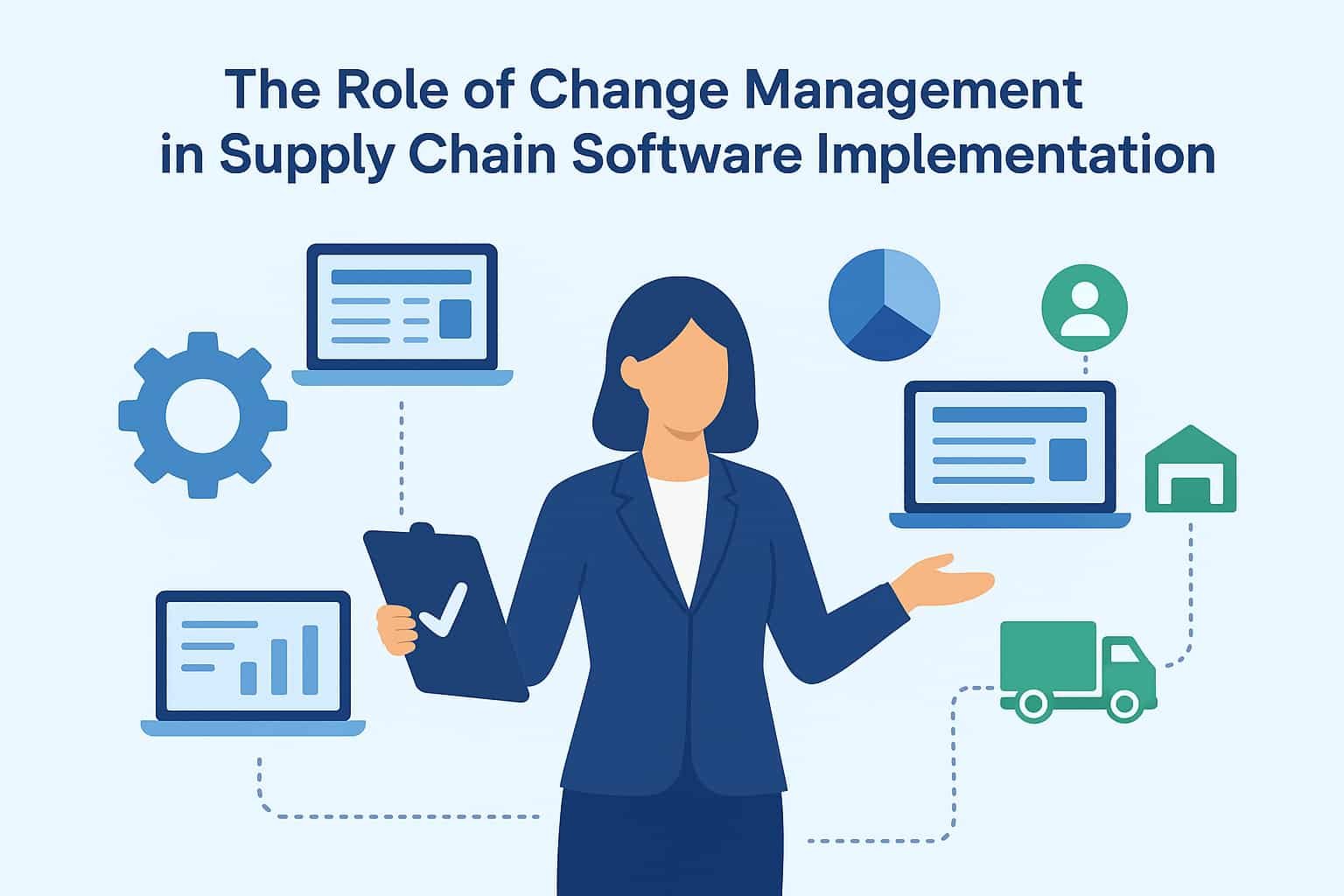
Modern supply chains are increasingly digital, data-driven, and globally interconnected. Companies across industries are investing in advanced tools to streamline operations, improve visibility, and enhance decision-making. However, the technical aspects of deploying a new solution often overshadow a critical factor for success — change management.
Change management ensures that people, processes, and technology align harmoniously during transformation. In the context of supply chain software implementation, this discipline determines whether a project becomes a catalyst for operational excellence or a costly failure. As management guru Peter Drucker once observed, “The greatest danger in times of turbulence is not the turbulence; it is to act with yesterday’s logic.” This wisdom perfectly captures the importance of adapting mindsets and organizational behavior when introducing new systems into supply chain environments.
This article explores how change management supports the smooth adoption of supply chain software, the challenges organizations face, and the best practices that lead to measurable success.
Understanding Change Management in the Supply Chain Context
Change management refers to the structured process of guiding individuals and teams through organizational transitions. In a supply chain environment, it involves preparing employees, aligning leadership, and managing stakeholder expectations during software adoption.
Implementing new supply chain software affects multiple departments—procurement, production, warehousing, logistics, and customer service. Each team has distinct workflows and legacy systems. Without deliberate change management, these diverse functions may resist integration, leading to inconsistent adoption or even project failure.
Effective change management bridges the gap between technology and human behavior. It ensures users understand why change is necessary, how it benefits them, and what support they will receive throughout the transition. This alignment of purpose is particularly vital when introducing complex systems like ERP-integrated supply chain platforms, which alter established routines and decision-making processes.
Organizations that invest in robust change management experience smoother transitions, faster software adoption, and higher returns on investment. Conversely, companies that neglect the human side of transformation often face confusion, frustration, and costly delays.
The Human Side of Supply Chain Software Implementation
Technology alone cannot deliver the expected outcomes of a digital transformation project. Even the most advanced software fails if employees don’t embrace it. The human element—attitudes, behaviors, and perceptions—plays a decisive role in the success of any supply chain software implementation.
1. Overcoming Resistance to Change
Employees often fear that new systems will disrupt their workflow or render their roles obsolete. They may also worry about the learning curve associated with new technology. Addressing these concerns early is essential. Transparent communication about the benefits, supported by hands-on training and continuous feedback, helps reduce anxiety and build trust.
2. Building a Culture of Collaboration
Supply chains are complex ecosystems that rely on coordination across multiple stakeholders. Fostering collaboration through open communication channels ensures that everyone—from warehouse staff to senior executives—feels involved in the transition process. When teams contribute to shaping new workflows, they are more likely to support and sustain change.
3. Leadership as a Catalyst for Change
Leadership commitment is the cornerstone of successful change management. Leaders set the tone by modeling adaptability and encouraging innovation. When senior management actively supports the implementation and demonstrates confidence in the new system, it motivates employees to follow suit.
4. Aligning Incentives and Accountability
Performance metrics and incentives should reflect the new system’s objectives. Recognizing employees who adapt quickly and contribute to process improvements reinforces desired behaviors and accelerates adoption.
Ultimately, change management transforms the project from a technical rollout into a shared journey of growth and modernization.
Key Steps to Effective Change Management
Organizations implementing supply chain software must follow a structured, repeatable change management framework. The following steps are widely recognized as essential for guiding the process from planning to post-implementation optimization.
1. Conduct a Change Readiness Assessment
Before implementation begins, assess the organization’s current culture, communication style, and readiness for change. Identify potential barriers such as rigid hierarchies, lack of digital literacy, or previous failed initiatives. This evaluation informs the overall strategy and helps tailor interventions.
2. Define Clear Goals and Vision
Employees are more likely to support change when they understand its purpose. Establish measurable goals—such as improving order fulfillment speed or reducing inventory errors—and communicate how the new system will help achieve them.
3. Engage Stakeholders Early
Stakeholder engagement is not a one-time activity. Involve representatives from all affected departments in design workshops, pilot tests, and feedback sessions. This ensures that the final solution reflects real operational needs and gains broad acceptance.
4. Develop a Comprehensive Training Program
Training should extend beyond technical tutorials. It must also address workflow adjustments, new responsibilities, and best practices for collaboration. Blended learning—combining in-person workshops, digital modules, and ongoing mentorship—works best for large organizations.
5. Communicate Continuously and Transparently
Regular updates, open forums, and internal newsletters keep everyone informed about progress and upcoming changes. Transparency reduces uncertainty and maintains momentum throughout the project lifecycle.
6. Monitor and Reinforce Adoption
After go-live, change management doesn’t end. Use surveys, performance data, and user feedback to measure adoption levels. Recognize successes and address lingering resistance promptly to ensure lasting change.
These steps, when executed diligently, reduce disruption and maximize the impact of the new supply chain system.
Overcoming Common Change Management Challenges
Even with a well-defined strategy, organizations encounter numerous challenges during software implementation. Recognizing these obstacles in advance allows teams to respond proactively.
Resistance to Change: This is the most common barrier. To overcome it, organizations must demonstrate clear benefits—time savings, efficiency, and reduced errors—and involve employees in defining how those benefits are realized.
Communication Gaps: Poor communication leads to confusion and rumors. Establishing a structured communication plan that includes feedback mechanisms ensures everyone stays aligned.
Inadequate Training: Without sufficient training, users may revert to old methods. Continuous learning opportunities, refreshers, and accessible support resources encourage confidence in using the new system.
Leadership Disconnect: When leadership fails to visibly support change, employees question its importance. Leaders must communicate consistently and model the desired behaviors.
Cultural Misalignment: Global organizations with diverse teams may struggle to enforce consistent practices. Tailoring the change approach to regional needs while maintaining overall alignment is key.
Companies such as Chudovo, which specialize in digital transformation and enterprise system deployment, often emphasize structured change management as an integral part of successful implementation projects. Their experience demonstrates that combining technical expertise with human-centered strategies produces the best long-term results.
Measuring the Impact of Change Management
To evaluate success, organizations should establish key performance indicators (KPIs) that capture both technical and behavioral outcomes.
Common metrics include:
- Adoption Rate: Percentage of users actively using the new system within a defined period.
- Error Reduction: Decrease in manual data entry or process errors after implementation.
- Productivity Gains: Improvements in order cycle times, forecasting accuracy, or warehouse efficiency.
- Employee Satisfaction: Surveys measuring user confidence and overall morale post-implementation.
Tracking these metrics over time provides valuable insights into whether the change management strategy is working and where adjustments may be needed.
Conclusion
In the fast-paced world of global commerce, adopting new supply chain technology is not optional—it is essential for competitiveness. Yet, technology alone cannot drive transformation. Change management provides the structure, communication, and cultural alignment necessary to turn software projects into sustainable business improvements.
By investing in people as much as in systems, organizations can ensure that their supply chain software implementation delivers measurable performance gains, fosters innovation, and strengthens collaboration across the enterprise. Ultimately, successful change management transforms resistance into resilience—empowering teams to thrive in an ever-evolving digital landscape.